
Planning a project in Clayton
For a Clayton exterior project, include photos showing height, ground conditions and room for equipment. Clear access information helps distinguish a manageable repair from work that needs a specialist.
Clayton · Buildings & backstory
Village roots and room to grow
Village and township roots
The Clayton area was platted as Salem in the early nineteenth century. The present city was established in 1998 when the village joined with the remaining unincorporated part of Randolph Township, bringing village streets and a much wider rural landscape into one city.[1][2]
A community with several building chapters
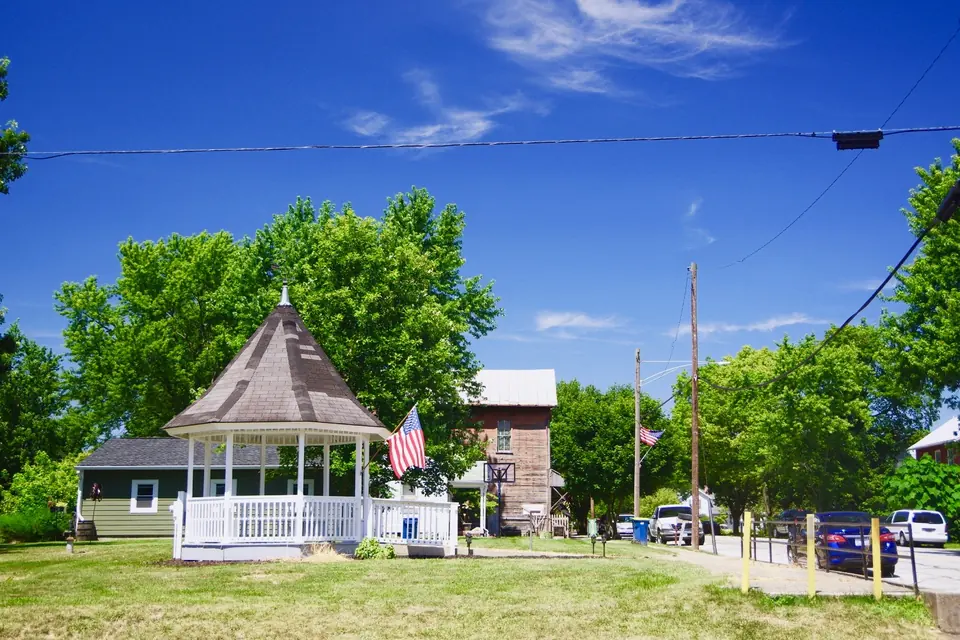
Clayton combines the older village, rural properties and newer planned development. The city’s comprehensive plan treats these as different parts of the community; repairs should respect the age and materials of the individual building.[1]
Identify what is sound
Older outbuildings, generous room layouts or original woodwork may offer useful features worth retaining. Identifying what is sound first keeps a repair focused on the parts that need work.
Make transitions weather-tight
Properties with several building generations need careful transitions between materials. Check door and window surrounds, exposed trim and places where additions meet older walls before choosing a finish.
Commerce in a farming community
Hamilton Turner and the Heck family developed warehouse and distillery activity. Local businesses served the agricultural economy rather than a large suburban population.[1]
A newer neighborhood center
Ground broke on the Village of North Clayton in 2006. An Esther Price store opened there in 2007, adding a newer commercial chapter to the community’s older village story.[1]
Early enterprise and settlement
Turner and the Heck family were figures in local business development. Daniel Hoover and David Mast helped lead early Quaker migration to the township. These are distinct roles in Clayton’s background, rather than evidence of a single developer behind all its neighborhoods.[1][3]
Migration, farms and family networks
The wider township was shaped by migration: Quakers came from North Carolina, while Mennonite and Brethren families arrived from Pennsylvania. Another wave followed the National Road in the late 1830s. Farming, family networks and new transport links all influenced settlement.[3]
The care notes describe considerations for these building types, not an inspection of any property. Original materials, later alterations and condition determine the right repair.
Sources & further reading
- City of Clayton: comprehensive plan and timeline
- City of Clayton: formation of the city
- Randolph Township Historical Society: early families
Historical sources reviewed October 2026. Population figures refer to the year and area stated.
Where to begin
Exterior painting
Freshen the details that frame your home.
↗Siding repair
Address the small gaps in your exterior.
Your Clayton project checklist
- Show the height of exterior repairs and the available space around the building.
- Mention slopes, planting beds, fences or narrow access routes.
- Confirm whether the proposed repair can be done safely or needs specialist access equipment.
Local project questions
What should I send for a Clayton quote?
Use the checklist above, your ZIP code and a short description of the outcome you want. John reviews the scope, materials, access and availability with you before a visit is agreed.
Is a visit automatically booked online?
No. Use the project form, call or text to request a quote. A visit is scheduled only after you discuss availability and agree on the scope.